
Parents are shifting away from restrictive diets toward structured nutrition strategies
Share article


You know how exhausting it feels to juggle rigid dinner rules while managing a household. Strict meal guidelines often create friction when your main goal is feeding everyone quickly and healthily.
Clear guidelines offer a practical path forward for your busy family. Moving toward adaptable frameworks helps you build lasting wellness without forcing anyone to give up favorite meals.
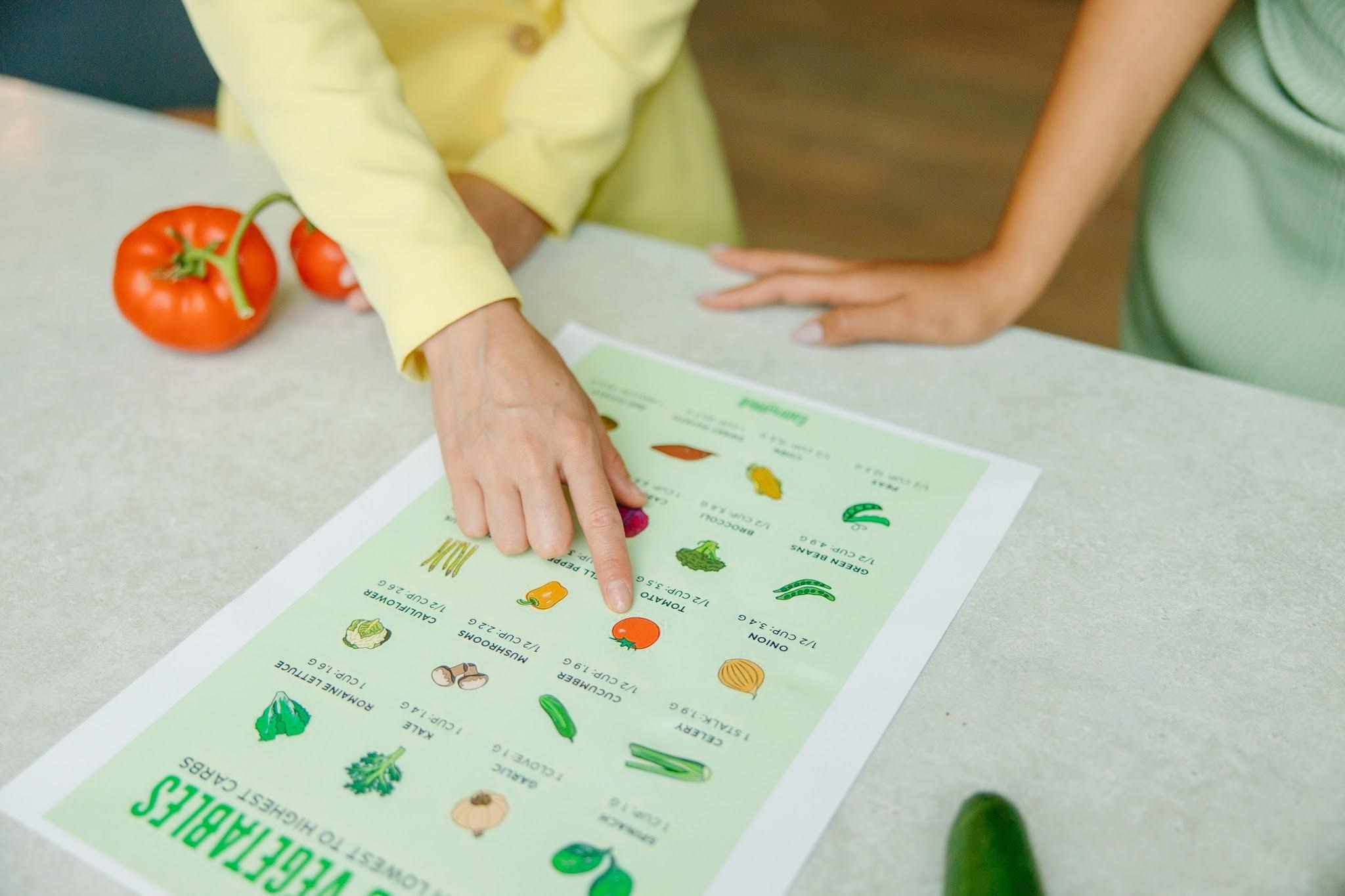
Why Are Families Moving Away From Rigid Diets?
Strict elimination diets rarely fit into the realities of modern family life. When your daily schedule involves packing school lunches, managing sports practices, and preparing weeknight dinners, severe food restrictions quickly cause unnecessary stress.
Restricted eating plans demand separate meal preparations that isolate individual family members. Preparing three different menus every evening drains your energy and creates a divide at the dinner table.
Research published by Harvard Health Publishing highlights that adaptable nutrition frameworks built on behavioral consistency yield significantly higher rates of long-term healthy eating habits across entire households compared to severe restrictions. Flexible guidelines give your home the room to thrive.
How Do Customizable Point Frameworks Build Daily Flexibility?
Customizable point frameworks replace rigid bans with personal daily budgets. Instead of cutting out entire food groups, you learn to balance nutrient-dense choices alongside favorite treats across your whole day.
Personalized daily allocations allow you to adjust meals around unexpected schedule changes or special family events. By comparing distinct weight watchers plans, adults can select structured point systems that align with personal wellness goals without forcing separate meals for children. The adaptable structure gives parents clear boundaries while keeping whole-wheat pastas and shared pizza nights on the menu.
Balancing nutrition through adaptable values shifts your mindset from restriction to empowerment. You gain direct control over your daily nutrition while setting a realistic example for your household.
What Does a Balanced Family Dinner Table Look Like?
Serving a single meal that satisfies adult nutritional needs and growing children seems challenging at first. Kids require energy-dense foods for growth, whereas adults often seek lighter portions or specific calorie targets.
Data from the Centers for Disease Control and Prevention indicates structured daily meal patterns and shared dining environments directly correlate with a 24 percent increase in long-term nutrient adequacy among school-aged children. Sitting down together for consistent meals builds strong dietary habits that support childhood development.
Designing meals around shared core ingredients keeps your prep time manageable. Preparing a central protein with versatile side dishes allows everyone to serve themselves according to their personal hunger levels.
Practical Steps to Unify Daily Meals Across Different Goals
Interactive meal setups make dinner simple and engaging for all ages. Instead of serving pre-plated dishes, you can offer self-serve meal stations that let each person build their plate.
Implementing flexible dining options keeps meal prep fast and adaptable:
- Deconstruct complex dishes: Serve ingredients in separate bowls, so family members select their preferred components.
- Offer customizable toppings: Provide plain Greek yogurt, seeds, or diced avocado as optional additions for extra nutrition.
- Keep base ingredients simple: Prepare roasted vegetables and lean proteins that pair easily with different whole grains.
This interactive method respects individual preferences without turning you into a short-order cook. Every person gets a balanced plate tailored to their exact requirements.
Encouraging Healthy Household Habits Without Food Rules
Removing strict food labels protects your family from guilt-driven eating patterns. Classifying items strictly as good or bad often creates unnecessary cravings and secret snacking among young children.
Focusing on how foods fuel body energy creates a supportive atmosphere around nutrition. You teach children to listen to internal hunger cues rather than external restrictions when you discuss food objectively.
Neutral language around dining helps children build confidence in their food choices. That emotional stability lays the groundwork for steady, long-term health as your children mature into adults.
How Can Structured Support Keep Your Routine Sustainable?
Adopting new family habits requires continuous support and practical tools. Having a clear blueprint prevents decision fatigue when stressful workdays threaten to derail your meal plans.
Digital tracking systems and structured meal guides streamline your weekly grocery shopping. Pre-planned shopping lists reduce impulse buying and keep healthy ingredients within easy reach inside your pantry.
Relying on reliable guidance turns daily nutrition choices into automatic routines. Consistent practice converts short-term effort into a seamless lifestyle that protects your household's long-term health.

Structured guidance renders healthy lifestyle changes reachable for busy parents. Embracing adaptable frameworks allows your family to develop steady routines that support well-being without eliminating life's simple culinary joys.
Small, consistent updates to your daily dining routine compound into lasting rewards across every season. Start by making one flexible adjustment to your family meals today and enjoy the lasting benefits.
Sign up to our newsletter
The latest advice from the Frolo blog, community highlights and upcoming meetups. Every week, free.
Unsubscribe any time. Privacy Policy
Follow us

